Exploratory Data Analysis: Industry and Workforce Insights
Objectives
The primary focus of the project revolved around answering the following questions:
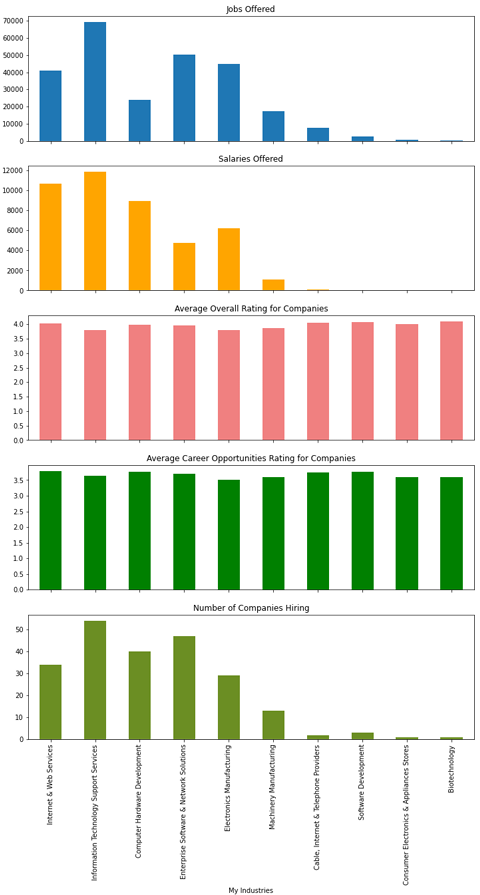
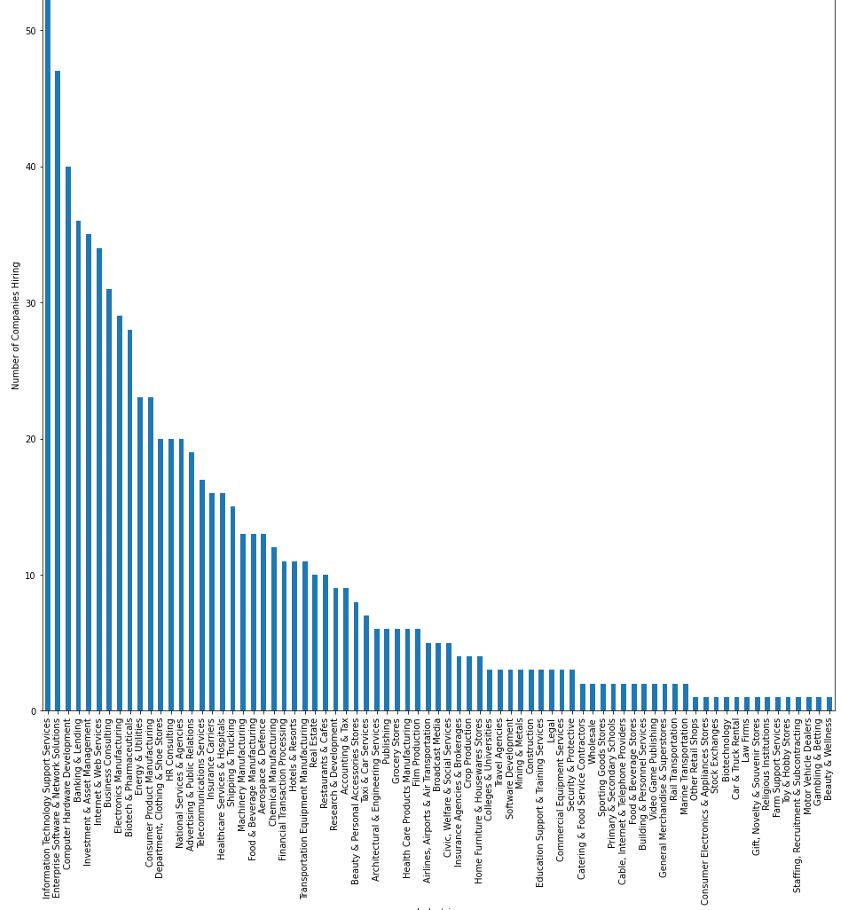
- Which industries have the most companies?
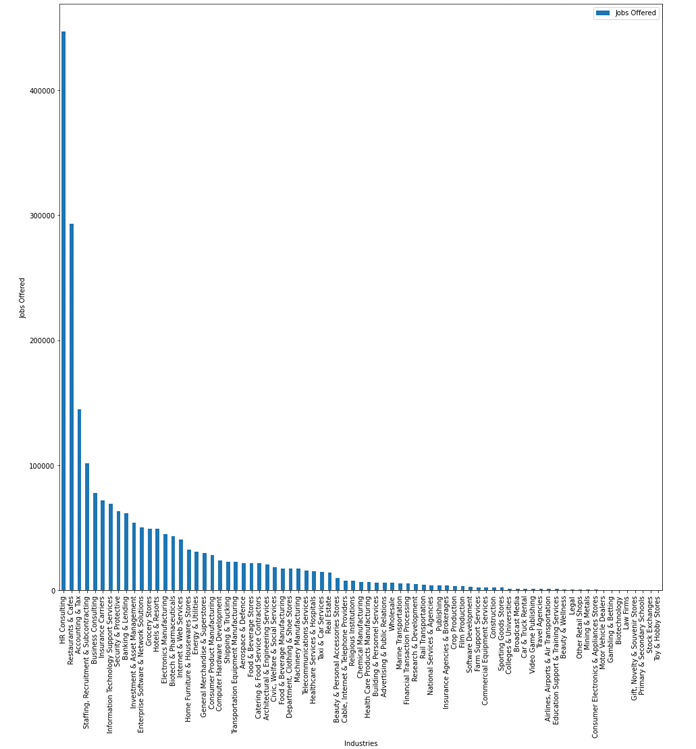
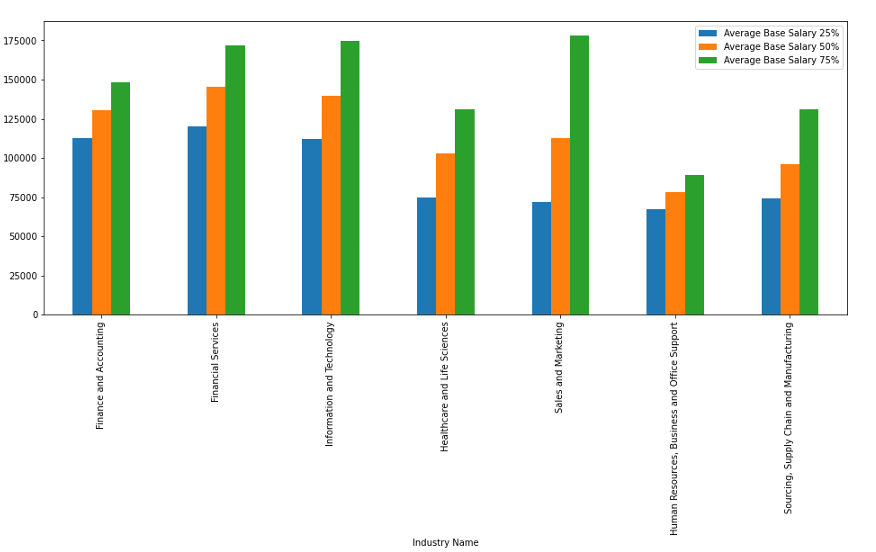
- Which industries offer the highest salaries and most jobs?
- Which companies have the top ratings, and which industries do they represent?
- Where does my target industry stand among others in terms of performance?
- Are there industries with consistently poor company ratings?
- For every industry, how many companies have a rating of 4 or above?
These questions guided the analysis and helped break down the industry landscape into actionable insights.
Methodology
- Data Cleaning and Preparation:
- Addressed missing and duplicate values.
- Standardized data types for accurate computation.
- Handled outliers for numeric and categorical attributes.
- Exploratory Data Analysis Techniques:
- Statistical summaries, including measures of central tendency and variability, were used to understand data distribution.
- Correlation analysis identified relationships between attributes like ratings, salaries, and job availability.
- Data Visualization:
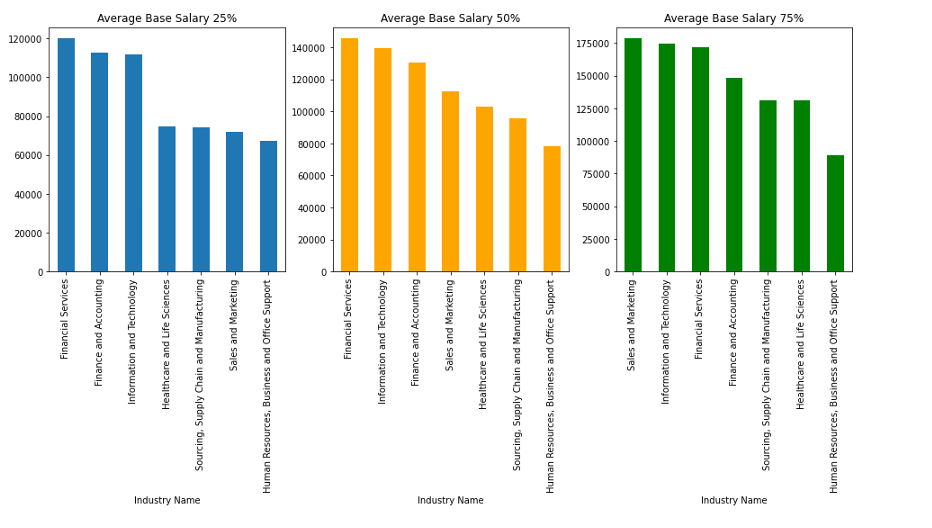
- Heatmaps and bar charts visualized key trends such as industry distributions and salary averages.
- Scatter plots and boxplots illustrated relationships between company ratings and other factors like industry type or salary range.
- Insight Generation:
- Compared industries based on metrics like the number of companies, ratings, salaries, and jobs.
- Segmented data into top-performing and underperforming industries based on company ratings.
Key Insights
- Industry with most number of companies listed : Information Technology Support Services (54 Companies)
- Industry with most jobs offered : HR Consulting (447080 Jobs)
- Industry with most salaries offered : Banking and Lending (17448 Salaries)
- Industry with average overall rating for companies listed : Mining and Metals (4.17 among 3 Companies)
- Industry with average carrer opportunities rating for companies listed : Accounting & Tax (3.96 among 9 Companies)
Value Proposition
This analysis provides a comprehensive overview of industry trends, helping stakeholders identify growth areas and challenges. For instance, industries with poor ratings can implement strategies like improving employee satisfaction or adopting innovative practices to stay competitive.
By answering critical questions, this project serves as a foundation for data-driven decisions in the workforce and industry sectors. Whether for job seekers, company leaders, or policymakers, these insights offer valuable guidance for strategic planning.